California, Like Most States, Is Not Improving Safety
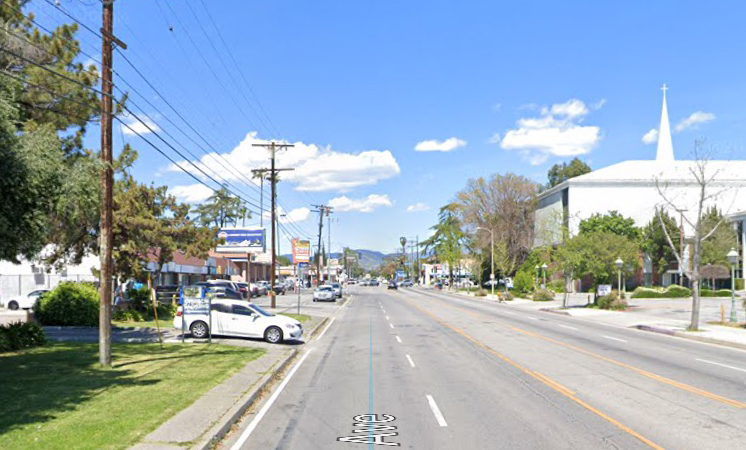
States are required by the federal Highway Safety Improvement Program (HSIP) to set targets for the number of deaths and serious injuries on their roadways. Once the targets are set, states are eligible for HSIP funding for safety projects to help them meet those targets. Some states set ambitious goals, others less ambitious. But eighteen states last year set targets for “non-motorized user” deaths and injuries that were higher than the most recent year of data.
California was among them. In other words, California set targets to INCREASE deaths and injuries of the most vulnerable users of its road system. Depressingly, it exceeded those targets in 2018.
Smart Growth America’s 2020 update of its Dangerous by Design report says that only eight states set and achieved targets that improved safety. Eight other states met their targets, but these were not set so as to increase safety outcomes for people not in cars.

More information about how the injury and fatality numbers were calculated can be found in the 2020 update here [PDF].
One of the metrics used by Smart Growth America is their Pedestrian Danger Index, which compares pedestrian fatalities per 100,000 residents, and then compares that to the rate of people who walk to work. That number comes from the U.S. Census, and is the only data point about how many people walk that is consistent across states.